

The 2025 floods in Pakistan impacted millions of acres of farmland, challenging rice production and exports. Yet, Pakistan’s Basmati sector has shown remarkable resilience, maintaining stable supply, consistent quality, and timely deliveries for international buyers. With proactive recovery efforts, climate-smart …
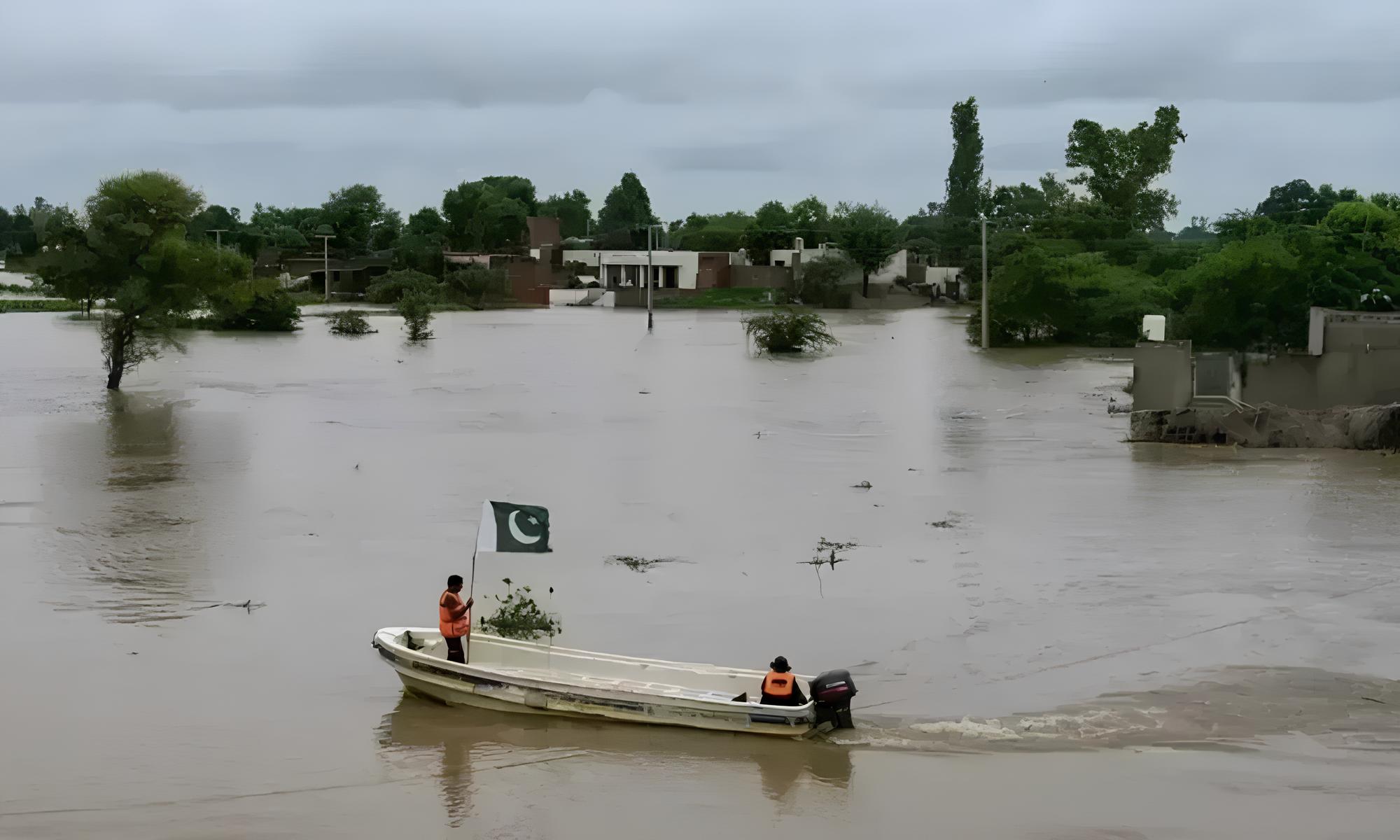
Pakistan’s Rice Fields Under Threat — Yet Resilient
In 2025, Pakistan faced catastrophic monsoon and riverine flooding, submerging over 1.8 million acres of farmland, particularly across the fertile rice-growing belt of Punjab.
While the floods caused temporary disruption, the Basmati crop has remained largely resilient, with only around 10% of total Basmati-growing areas affected. This ensures that Pakistan can continue supplying high-quality rice to international buyers.
Economic Shock and Market Stability
The floods caused substantial economic losses, with Pakistan’s agriculture sector sustaining around Rs 430 billion in damage. Rice export earnings in FY25 dropped moderately to $3.36 billion, yet the majority of shipments — especially premium Basmati — remained on schedule. Exporters acted swiftly to manage logistics and inventories, ensuring international buyers received consistent supply, demonstrating the sector’s resilience even under challenging conditions.
The Human Cost: Farmers and Flooded Livelihoods
At the farm level, the disruption is deeply personal. Thousands of smallholder farmers saw their fields submerged, machinery damaged, and storage facilities destroyed. Beyond crop loss, many rural families are experiencing reduced incomes and supply chain slowdowns.
To support affected communities, the government and agricultural bodies have initiated relief programs, including cash assistance, seed distribution, and targeted infrastructure repair.
Recovery in Motion: How Pakistan Is Responding
The country has launched a comprehensive recovery effort, focusing on:
Financial & Seed Support: Interest-free loans and subsidized seeds for quick replanting.
Infrastructure Rehabilitation: Repairing irrigation networks, storage facilities, and farm-to-market roads.
Climate-Resilient Farming: Flood-tolerant rice varieties, improved drainage, and enhanced early-warning systems.
Export Assurance: REAP continues prioritizing international contracts and maintaining quality standards.
Assured Supply for International Buyers
Despite the floods, Pakistan’s rice exporters remain fully committed to meeting global demand. With carefully managed logistics, stringent quality control, and proactive recovery measures, buyers can continue to source premium Basmati rice with confidence. This ensures a stable supply chain, consistent quality, and timely deliveries, reaffirming Pakistan’s position as a reliable supplier in the global market.
Resilience and Sustainability: A Stronger Industry Ahead
Beyond immediate recovery, Pakistan’s rice sector is focused on long-term resilience and sustainable growth. Initiatives such as climate-ready rice varieties, upgraded irrigation systems, and sustainable farming practices are shaping a more future-ready industry.
By partnering with Pakistan’s rice exporters, international buyers not only secure high-quality rice but also contribute to supporting sustainable agriculture and resilient farming communities.